Manufacturing Insights
Understanding the Filament Winding Process for Epoxy Fiberglass Tubes
Manufacturing guide to the filament winding process for epoxy fiberglass tubes, including reinforcement, curing, machining, inspection, and RFQ context.
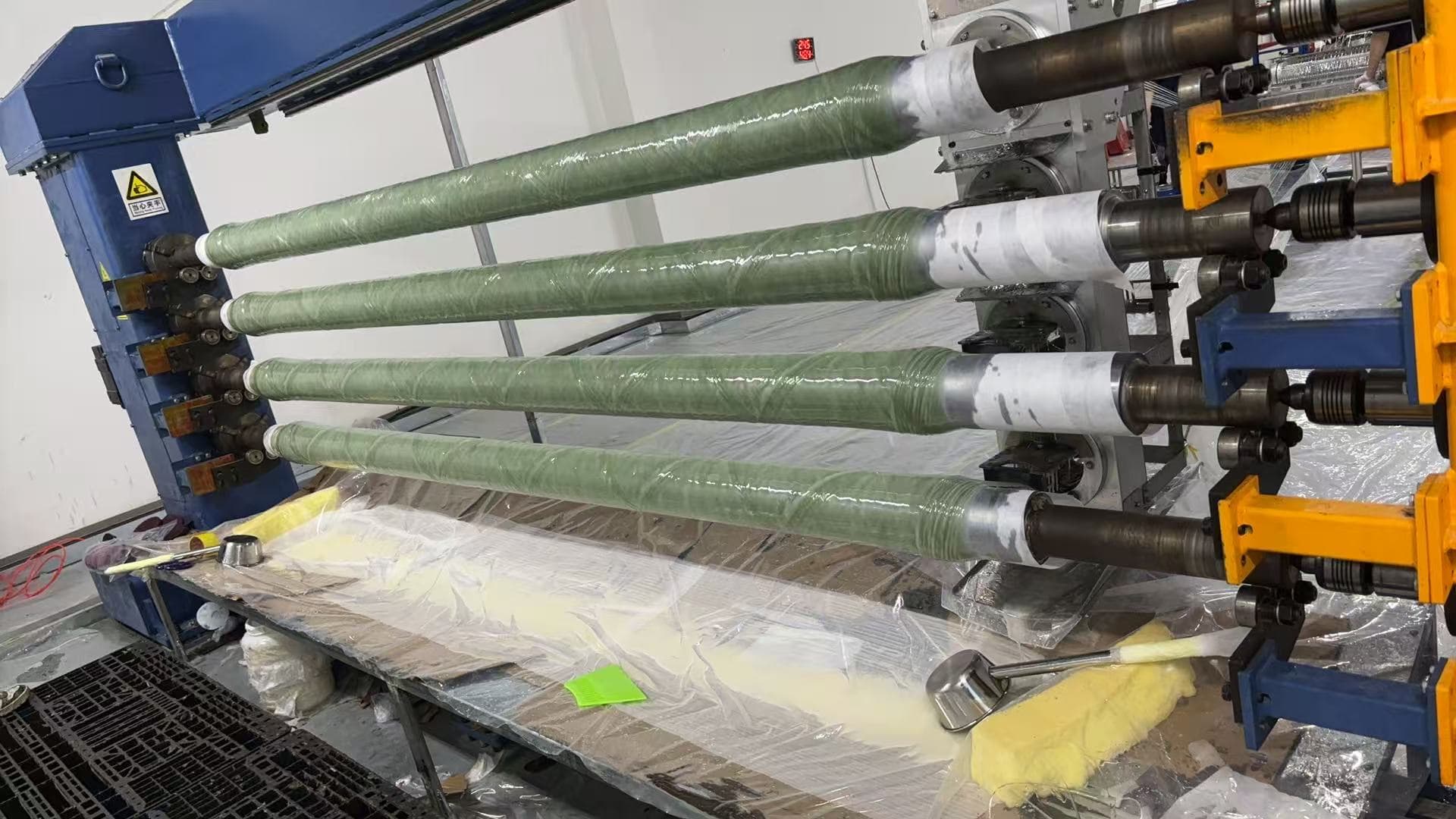
The filament winding process is an important manufacturing method for epoxy fiberglass tubes used in electrical insulation applications. For engineers and buyers, understanding the process helps explain why tube geometry, wall thickness, machining requirements, and inspection expectations should be reviewed before quotation and production. WEENOOR provides customized epoxy fiberglass filament wound tubes for electrical insulation applications. This article explains the process from a buyer's point of view. It does not publish unverified equipment counts, production capacity, or universal performance values. Final product requirements depend on the customer's drawing, material system, tube size, wall thickness, machining scope, and agreed inspection method. ## What Filament Winding Means Filament winding is a process where continuous fiber reinforcement is placed around a rotating mandrel or form in a controlled pattern, with resin used to bind the structure. For epoxy fiberglass tubes, glass fiber provides reinforcement and epoxy resin forms the matrix. After winding and curing, the tube becomes a composite insulation component that can be further processed according to the customer's drawing. The process is commonly used when a tube needs a combination of insulation function, mechanical support, and dimensional structure. It is especially relevant for electrical equipment where a simple pipe material is not enough to describe the required part. For product context, review Products. ## Why the Process Matters for Electrical Insulation Tubes An electrical insulation tube often needs to do more than separate parts. It may need to support assembly geometry, fit with other components, accept machining, and maintain predictable dimensions. The winding and curing process contributes to the tube structure, while later machining and inspection help prepare the finished component. During technical review, customers usually provide the drawing and explain the application equipment. This helps the supplier understand whether the tube is used in a surge arrester, transformer-related assembly, CT/PT, SF6 switchgear, GIS, tap changer, bushing, breaker, or another electrical insulation application. For application context, review Applications. Manufacturing discussion should stay connected to the drawing. General process descriptions are useful, but final product details should be confirmed through the specific requirement. ## Glass Fiber Reinforcement and Epoxy Resin Epoxy fiberglass filament wound tubes combine glass fiber reinforcement with an epoxy resin system. The reinforcement contributes to the tube structure. The resin system binds the reinforcement and supports the final composite form after curing. The actual product behavior depends on design, material system, winding structure, tube dimensions, curing, machining, and inspection. Buyers should avoid assuming that one general property applies to every tube. A large-diameter tube, long tube, machined tube, and thick-wall tube may need different review. If a project requires a specific value or test result, the requirement should be provided as part of the inquiry. Use confirmed information for quotation and production review. Use typical information only as discussion context. Do not publish or rely on pending information as final. ## From Winding to Curing The manufacturing process usually includes material preparation, winding, curing, and post-processing review. The exact workflow depends on product size and agreed requirements. The goal is to produce a tube that can be reviewed against the approved drawing and prepared for the next stage. Before production, drawings are reviewed to confirm: - Tube dimensions - Wall thickness - Length - End condition - Machining features - Critical tolerance - Application context - Inspection needs After winding, curing is used to form the composite tube structure. The finished tube may then be cut, machined, inspected, and packed depending on the order scope. For manufacturing capability context, review Manufacturing. ## Machining After Filament Winding Many epoxy fiberglass tubes are not shipped only as wound tube blanks. They may require machining according to the customer's drawing. Machining can include cutting, drilling, slotting, turning, chamfering, end processing, or special interface work. Machining requirements should be shared early because they affect quotation review. A tube with multiple holes, slots, or tight interface dimensions is different from a plain cut tube. The supplier needs to review how the machined features relate to the tube wall, length, and application. Useful machining information includes: - Drawing with feature dimensions - Hole and slot positions - End processing requirements - Tolerance for machined features - Edge or surface expectations - Quantity and schedule If the drawing is still being developed, mark it as preliminary. ## Mid-Article CTA Need a filament wound epoxy fiberglass tube made according to drawing? Send the drawing, dimensions, machining scope, application equipment, and expected quantity for review. ## Dimensional Control and Inspection Dimensional control is one of the main reasons buyers should provide complete drawings. Inspection should follow the approved drawing and agreed requirement. During inspection and shipment preparation, common focus areas may include tube ID, OD, length, wall thickness, tube ends, machined features, surface appearance, and packing protection. If critical dimensions exist, identify them clearly. If a test method or documentation requirement is necessary, provide the exact requirement. If no special documentation is required, standard production and shipment review can be discussed during quotation. For quality review context, see /quality. ## What Buyers Should Ask During Supplier Review When reviewing a filament wound tube supplier, buyers should focus on practical fit rather than broad claims. Useful questions include whether the supplier can review made-to-drawing requirements, whether machining can be discussed, whether application context is understood, and whether inspection expectations can be aligned with the drawing. Practical supplier review questions include: - Can the supplier review the drawing before quotation? - Can the supplier discuss ID, OD, wall thickness, length, and machining? - Can the supplier review the application equipment context? - Can the supplier clarify inspection and packing expectations? - Can the supplier identify information still needed before production? Avoid relying on unsupported claims such as global project references or universal performance promises. A professional review should be based on the specific tube requirement. ## How the Process Affects Quotation Review The filament winding process affects quotation review because the supplier must understand the tube geometry and final scope before discussing production. A plain tube blank, a cut-to-length tube, and a fully machined insulation component are different quotation cases. The same material family can still require different review when the tube diameter, length, wall thickness, and machining features change. For this reason, buyers should connect the process discussion to the RFQ. If the requirement includes holes, slots, grooves, end machining, or tight assembly dimensions, those details should be shared at the beginning. If the tube is part of a high-voltage equipment assembly, the application context should also be included. This makes it easier to review whether the manufacturing and post-processing scope is clear. The process also affects communication around lead time and inspection. A custom tube usually requires drawing review, material and production planning, winding, curing, machining if required, inspection, and packing. The exact timing depends on the order scope and should be discussed after the technical requirement is clear. ## Common Buyer Misunderstandings One common misunderstanding is that all fiberglass tubes are interchangeable. In electrical insulation applications, the material system, manufacturing process, drawing, and application context matter. A generic FRP tube name may not describe the expected epoxy fiberglass filament wound product clearly enough for review. Another misunderstanding is that machining can be decided after quotation without affecting the product scope. In practice, machining should be reviewed early. Holes, slots, end features, and tolerance requirements can affect production discussion, inspection, and price. A third misunderstanding is that typical information is the same as confirmed project data. Typical values depend on the tube design and test method. If a project has a specific acceptance requirement, the buyer should provide that requirement for review. If the requirement is still pending, it should not be treated as final. ## Buyer Checklist Before Contacting WEENOOR Before contacting WEENOOR for a filament wound epoxy fiberglass tube, prepare: - Drawing or preliminary sketch - ID, OD, wall thickness, and length - Application equipment - Machining requirements - Quantity - Critical tolerance - Inspection or documentation requirements - Destination and schedule expectations This information helps the team understand whether the request is ready for quotation review or whether additional technical clarification is needed. ## FAQ ## What is the filament winding process for epoxy fiberglass tubes? It is a process where continuous glass fiber reinforcement and epoxy resin are formed into a tube structure through controlled winding and curing. ## Why is filament winding used for insulation tubes? It supports the creation of reinforced composite tube structures that can be reviewed for electrical insulation and mechanical support applications, depending on the approved design. ## Does filament winding define the final tube by itself? No. Final requirements also depend on tube dimensions, wall thickness, material system, curing, machining, inspection, and application conditions. ## What should buyers provide for a filament wound tube inquiry? Buyers should provide drawings, ID, OD, wall thickness, length, machining requirements, application equipment, quantity, and inspection expectations. ## Conclusion Understanding the filament winding process helps buyers prepare better inquiries for epoxy fiberglass tubes. The process combines glass fiber reinforcement and epoxy resin to create a composite tube structure, but final product review must still be connected to drawings, dimensions, machining, inspection, and application requirements. WEENOOR supports customized epoxy fiberglass filament wound tubes for electrical insulation applications. Clear technical information helps move a request from general discussion to practical quotation review. ## CTA Request a Quote: Contact WEENOOR Send Your Drawing: Upload through the inquiry form