Product Knowledge
How to Select the Right Epoxy Fiberglass Filament Wound Tube for Electrical Insulation Applications
Selection guide for epoxy fiberglass filament wound tubes, covering application fit, dimensions, machining, inspection, and RFQ preparation.
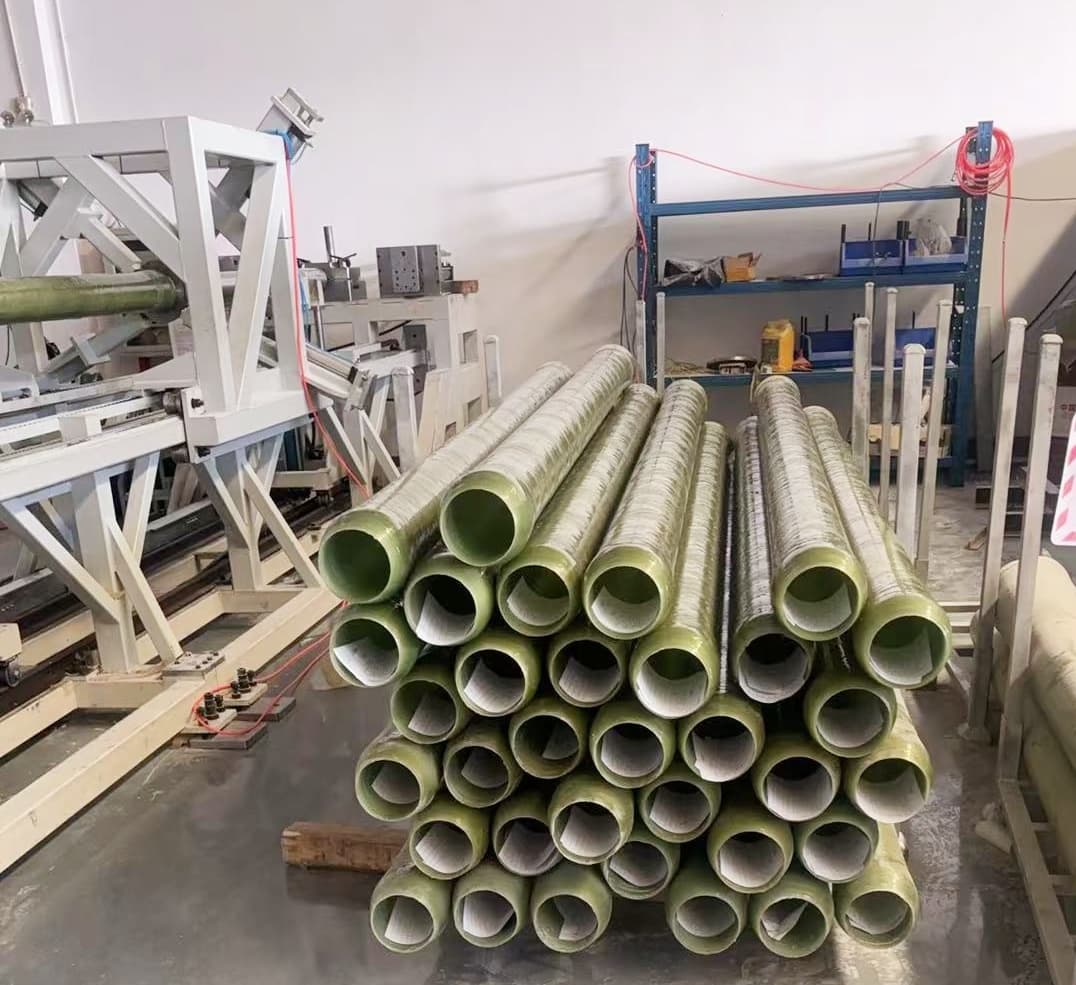
Selecting the right epoxy fiberglass filament wound tube starts with understanding the role of the tube inside the electrical equipment. In many high-voltage applications, the tube is not only a shaped insulating part. It may also provide structural support, spacing, assembly interface, dimensional stability, or protection for other components. WEENOOR provides customized epoxy fiberglass filament wound tubes for electrical insulation applications. The product is made from glass fiber reinforcement and epoxy resin through filament winding and curing, then reviewed for dimensions, machining, and inspection requirements according to the customer's drawing or specification. This guide is written for engineers, OEM buyers, insulation material distributors, and procurement teams who need to select a tube for equipment such as surge arresters, transformers, CT/PT, SF6 switchgear, GIS, tap changers, bushings, breakers, or related high-voltage assemblies. ## Start with the Application The first selection question is not only tube size. It is application fit. A tube used in a surge arrester may have different design priorities from a tube used in a transformer-related assembly or SF6 switchgear. The supplier needs to understand whether the tube is mainly used for insulation support, mechanical support, spacing, housing, interface positioning, or a combination of functions. During technical review, customers usually provide the application equipment type and explain where the tube fits in the assembly. This helps the review focus on the real operating context instead of treating the tube as a generic composite pipe. Typical application information includes: - Equipment type - Function of the tube in the assembly - Interface with other parts - Whether machining is required - Critical dimensions for assembly fit - Any environmental or operating concerns already known For application examples, review Applications. ## Confirm Material and Construction Expectations An epoxy fiberglass filament wound tube uses continuous glass fiber reinforcement and epoxy resin. Filament winding helps create a reinforced tube structure, while the epoxy system provides the resin matrix. The exact product requirement depends on the approved drawing, material system, wall thickness, winding design, curing process, and agreed inspection scope. When selecting a tube, avoid vague product names such as FRP tube or insulation pipe if the application needs a specific epoxy fiberglass filament wound construction. Clear naming helps the supplier understand the expected material family and manufacturing method. Use clear terms such as: - Epoxy fiberglass filament wound tube - Epoxy fiberglass insulation tube - Composite insulation tube for electrical equipment - Custom epoxy fiberglass tube according to drawing WEENOOR product information is available on the Products page. ## Define Tube Dimensions Clearly Dimensional clarity is essential for product selection. A tube can only be reviewed properly when the basic geometry is known. Before production, drawings are reviewed to confirm ID, OD, wall thickness, length, machining features, and tolerances. Important dimensions include: - Inner diameter - Outer diameter - Wall thickness - Length - End shape - Concentricity or runout requirements if defined - Tolerance for critical dimensions If the tube is part of an existing assembly, the drawing should show how it connects with other parts. If the tube needs to fit over a rod, sleeve, conductor, or support component, the inner diameter and tolerance may be especially important. If the tube needs to fit inside another structure, the outer diameter and surface condition may matter more. If only a preliminary size is available, identify it as preliminary. Do not present estimated dimensions as final requirements. ## Review Electrical Insulation Requirements Electrical insulation applications should be discussed carefully. The tube selection may depend on the equipment type, operating environment, required insulation role, and agreed test method. The website should not publish unverified performance values, and buyers should avoid assuming that one reference value applies to every tube size or application. During inquiry, provide the insulation role rather than only asking for a material name. For example, explain whether the tube is used as a structural insulation component, spacing component, housing component, or part of a larger high-voltage assembly. If the project has specific test standards, voltage requirements, or acceptance criteria, provide the exact requirement for review. If the requirement is still under engineering discussion, mark it as pending. ## Consider Mechanical and Assembly Requirements Epoxy fiberglass filament wound tubes may need to support mechanical loading or maintain shape during assembly. Mechanical requirements can depend on tube diameter, wall thickness, fiber reinforcement design, length, support conditions, and how the tube is installed. Useful mechanical information includes: - Load direction if known - Assembly support points - Whether the tube is clamped, bonded, inserted, or fastened - Whether holes, slots, or end features affect strength - Whether the tube is exposed to vibration or handling stress If mechanical values are required, they should be connected to a specific drawing, size, and test method. Typical values depend on product design and should not be treated as universal claims. ## Confirm Machining Scope Many custom epoxy fiberglass tubes require machining. Machining can include cutting, drilling, slotting, turning, chamfering, end processing, or special interface features. A product selection decision should include whether the customer needs a tube blank or a finished machined component. Machining information should be shown on the drawing when possible. The supplier needs to review hole positions, slot shape, edge condition, tolerance, and relationship to the tube wall. Machined features may affect production review, inspection, and packing requirements. Common machining details include: - Cut length - End face requirements - Hole diameter and position - Slot dimensions - End chamfer - Interface surfaces - Special processing by review For manufacturing context, review Manufacturing. ## Mid-Article CTA Need help selecting a tube for an electrical insulation application? Send your drawing, application equipment, dimensions, machining details, and quantity for technical review. ## Evaluate Inspection and Documentation Needs Inspection should follow the agreed drawing and customer specification. During inspection and shipment preparation, practical review points often include dimensions, appearance, bore condition, machined features, tube ends, and packaging protection. If the customer needs inspection records, photos, or special documentation, this should be included in the inquiry. If a certificate or standard is required, provide the exact requirement for review. Do not assume a certificate is included unless it has been confirmed. For quality information, review /quality. ## Prepare the RFQ Information The right tube selection is easier when the inquiry is complete. A useful RFQ should include the drawing, dimensions, application, machining scope, quantity, schedule, and inspection expectations. Procurement teams should also clarify whether the inquiry is for prototype review, trial order, maintenance replacement, distributor sourcing, or production supply. If some information is not ready, separate it from confirmed information. This keeps the quotation process clear and avoids turning assumptions into production requirements. ## Selection Notes for OEM Buyers and Distributors OEM buyers usually know the equipment structure, drawing status, and acceptance requirements. Their selection work should focus on whether the tube design matches the assembly, whether machining features are practical, and whether the inspection scope is clear enough for production release. A drawing revision history is also useful when the tube is connected to an existing equipment design. Distributors may receive requests from several end users. In that situation, it is important not to merge requirements from different customers or equipment types. A tube for one surge arrester design should not be assumed to match a tube for another high-voltage assembly, even if the product name looks similar. When the end user's drawing is available, the distributor should forward the drawing and application context instead of translating the requirement into a simplified product name. Engineering procurement teams often need both technical review and commercial clarity. For these teams, the best inquiry includes the confirmed drawing, required quantity, expected order stage, destination country, and any inspection or packing notes. This helps the supplier understand whether the request is a prototype discussion, a qualification order, a replacement need, or a regular purchasing plan. ## When to Contact WEENOOR Contact WEENOOR when the requirement involves a customized epoxy fiberglass filament wound tube for electrical insulation applications and the tube must be reviewed against dimensions, machining, or application conditions. The inquiry does not need to be perfect before discussion, but it should be specific enough to support a meaningful review. Good reasons to contact the team include: - You have a drawing and need quotation review - You need a tube made according to ID, OD, wall thickness, and length - You need machining such as drilling, slotting, cutting, or end processing - You need to confirm whether an application is within the epoxy fiberglass insulation tube scope - You need procurement information for an OEM or distributor request ## FAQ ## What is an epoxy fiberglass filament wound tube? It is a reinforced composite tube made with glass fiber and epoxy resin through a filament winding process. In electrical equipment, it can be used as an insulation and structural component depending on the approved design. ## What information is needed to select the right tube? The most useful information includes application equipment, ID, OD, wall thickness, length, drawing, machining requirements, quantity, and inspection expectations. ## Can one tube design be used for all electrical insulation applications? No. Tube design and acceptance requirements depend on the equipment, drawing, dimensions, material system, machining scope, and agreed inspection method. ## Does WEENOOR support made-to-drawing tubes? Yes. WEENOOR supports customized epoxy fiberglass filament wound tubes based on customer drawings, dimensions, application requirements, and technical review. ## Conclusion Selecting the right epoxy fiberglass filament wound tube requires more than a product name. The best selection process begins with the application, then confirms dimensions, material expectations, insulation role, mechanical requirements, machining scope, inspection needs, and RFQ details. WEENOOR helps industrial customers review custom tube requirements for electrical insulation applications. A clear drawing and application description help move the inquiry toward a practical quotation. ## CTA Request a Quote: Contact WEENOOR Send Your Drawing: Upload through the inquiry form