Buyer Guides
What Information Is Needed for a Custom Epoxy Fiberglass Tube Quotation?
RFQ guide for custom epoxy fiberglass tube quotations, covering drawings, dimensions, application, machining, inspection, quantity, and shipment.
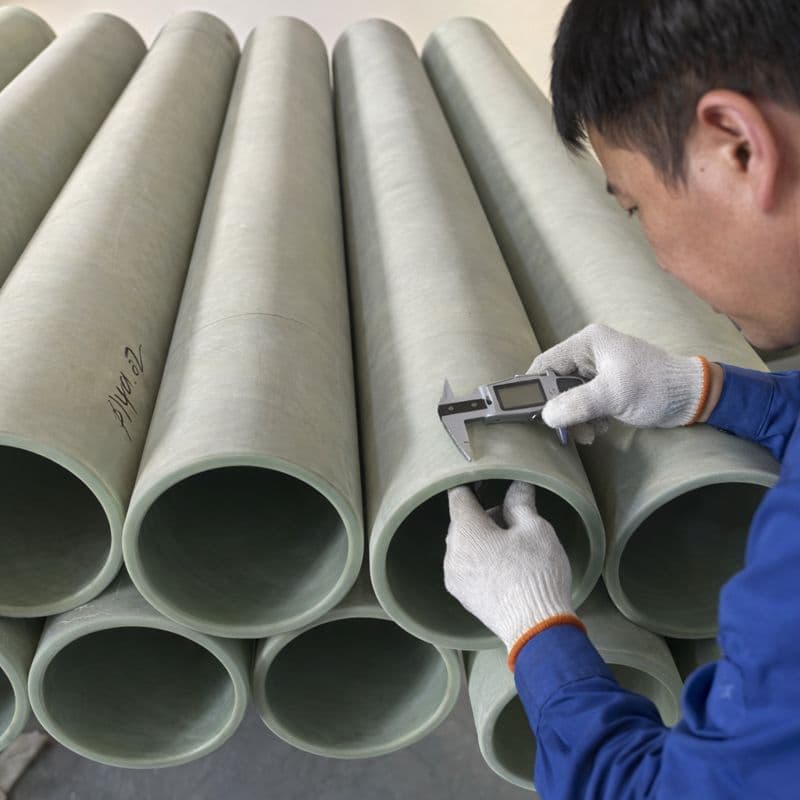
For a custom epoxy fiberglass tube quotation, the most useful inquiry is not only a short request for price. A qualified request gives the supplier enough information to understand the tube size, electrical insulation role, mechanical function, machining scope, inspection expectations, and application environment. When this information is clear, technical review is faster and the quotation is more useful for engineering and procurement teams. WEENOOR provides customized epoxy fiberglass filament wound tubes for electrical insulation applications. Most inquiries are related to made-to-drawing components, high-voltage equipment assemblies, insulation support parts, or replacement sourcing for an existing design. During technical review, customers usually provide a drawing or specification first, then confirm details such as ID, OD, wall thickness, length, machining features, application equipment, expected quantity, and inspection needs. This guide explains what information helps prepare a custom epoxy fiberglass tube quotation. It is written for OEM buyers, electrical equipment manufacturers, insulation material distributors, and procurement teams who want a clear quotation path before production discussion. ## Why RFQ Information Matters Epoxy fiberglass filament wound tubes are not generic plastic tubes. They are structural insulation components made from glass fiber reinforcement and epoxy resin through filament winding and curing. In many electrical insulation applications, the tube must support electrical, mechanical, dimensional, and assembly requirements at the same time. Because the final product depends on the approved drawing and agreed requirements, quotation review should start with practical application information. A supplier needs to understand what the tube is expected to do, how it fits into the equipment, whether the tube needs machining, and which inspection points are important for acceptance. Incomplete RFQs often create repeated email exchanges. For example, if a customer sends only an outer diameter and length, the supplier may still need to ask for wall thickness, inner diameter, tolerance, machining features, application equipment, quantity, and drawing format. A better RFQ reduces this back-and-forth and helps both sides move toward a realistic quotation. For a product overview before sending a request, see the WEENOOR product page. For application context, review Applications. ## Core Product Information to Provide The first part of the RFQ should describe the tube itself. If a drawing is available, attach it. If a drawing is not yet available, provide the core dimensions in writing and mark uncertain values as pending. Important product information includes: - Inner diameter or required bore size - Outer diameter - Wall thickness - Tube length - Quantity - Required tolerance if already defined - Tube end condition - Surface or appearance expectations - Whether the tube is a new design, replacement part, or sourcing comparison Before production, drawings are reviewed to confirm dimensions, interfaces, and feasibility. If the drawing includes a note that is unclear, it is better to mention it in the inquiry message instead of assuming the supplier will interpret it correctly. For custom epoxy fiberglass tubes, the relationship between ID, OD, wall thickness, and length is important. A long tube with a thin wall may require different handling than a shorter tube with a thicker wall. A tube with tight dimensional requirements may also need a different review than a tube used mainly as a general support sleeve. ## Application and Equipment Context Application context helps the supplier understand the role of the tube. WEENOOR focuses on epoxy fiberglass tubes for electrical insulation applications, including high-voltage equipment and related industrial assemblies. Useful application information includes: - Equipment type, such as surge arrester, transformer, CT/PT, GIS, SF6 switchgear, tap changer, bushing, breaker, or related equipment - Whether the tube is used for insulation support, structural support, spacing, housing, protection, or assembly interface - Whether the part works inside an existing assembly - Whether the tube has special interface requirements - Any known electrical, mechanical, thermal, or environmental concerns The application does not need to be described with confidential customer project details. A general equipment type and function are often enough for early review. If the inquiry involves a distributor request, it is useful to clarify whether the distributor is sourcing for a known drawing, a customer replacement item, or a new engineering requirement. For application examples, review Applications. ## Drawing and File Requirements The best quotation request usually includes a technical drawing. A drawing helps confirm the tube geometry, tolerance, holes, grooves, slots, end machining, and special notes. During technical review, customers usually provide PDF drawings for early discussion and may provide CAD files later if needed. Useful drawing files may include: - PDF drawing for general review - JPG or PNG sketch for early concept discussion - CAD file if detailed machining review is needed - Specification sheet if the tube is part of a larger equipment standard If only a sketch is available, label it as preliminary. If dimensions are approximate, say so. Avoid presenting estimated values as final specifications. This keeps the quotation discussion accurate and prevents misunderstandings later. WEENOOR's inquiry form supports drawing upload. If the file is large or sensitive, contact the sales team through Contact and confirm the best way to share it. ## Machining and Customization Details Many epoxy fiberglass filament wound tubes require secondary processing. A basic tube may be cut to length, while a custom insulation component may require drilling, slotting, turning, end processing, or other machining details. When requesting a quotation, mention whether the part requires: - Cutting to length - Drilling - Slotting - End machining - Turning - Chamfering - Special interface features - Marking or packaging requirements Machining requirements should be reviewed against the drawing. Even when a feature looks simple, its location, tolerance, edge condition, and relationship to the tube structure may affect production review. If the drawing includes many holes or slots, provide a clear view and dimension references. Do not assume that machining scope is included unless it is described. A tube quotation and a finished machined component quotation may require different review. For process context before sending a machined tube RFQ, review Manufacturing. ## Inspection and Quality Expectations Inspection expectations should be realistic and based on the agreed drawing or specification. During inspection and shipment preparation, common review points may include dimensions, appearance, tube ends, bore condition, machined features, and packing protection. Useful inspection information includes: - Critical dimensions - Required tolerance - Visual acceptance requirements - Required inspection records if any - Packaging expectations - Whether the order requires pre-shipment photos or documentation Avoid adding certification or test requirements unless they are actually required by the project. If a standard, test method, or certificate is required, provide the exact document or requirement reference for review. If the requirement is not confirmed, mark it as pending. For quality communication, review /quality. ## Quantity, Schedule, and Commercial Context Quantity affects quotation review. A sample order, trial order, annual forecast, and batch production request may need different discussion. Procurement teams should provide the expected quantity and whether the inquiry is for prototype, validation, maintenance, or regular production. Useful commercial information includes: - Inquiry quantity - Expected annual demand if known - Prototype or production stage - Target delivery timing - Destination country or region - Required packing and shipment notes It is not necessary to provide a target price if it is not available. However, it is useful to mention whether the request is urgent, for a tender, for supplier qualification, or for technical comparison. ## Mid-Article CTA Need a customized insulation tube solution? Send your drawing, dimensions, application equipment, machining requirements, and expected quantity for technical review. ## Common RFQ Mistakes to Avoid Several common RFQ problems slow down quotation review. The first is sending only a product name without dimensions. The second is sending a drawing but not explaining the application or quantity. The third is requesting a certificate, test result, or performance value without a confirmed standard or project requirement. The fourth is mixing requirements from different products or equipment types. A clean RFQ does not need to be long. It should simply separate confirmed information, typical expectations, and pending items. Confirmed information can be used for quotation review. Typical information can guide discussion. Pending information should not be treated as final. ## FAQ ## What is the most important file for a custom tube quotation? A clear technical drawing is usually the most important file. If no drawing is available, provide ID, OD, wall thickness, length, quantity, application equipment, and machining requirements. ## Can WEENOOR quote without a complete drawing? WEENOOR can review early requirements when the main dimensions and application context are available. However, final quotation and production discussion usually require an approved drawing or confirmed specification. ## What file types are useful for drawing upload? PDF is useful for quotation review. JPG or PNG can support early discussion. CAD files may be useful when detailed machining or interface review is required. ## Should inspection requirements be included in the RFQ? Yes. Include critical dimensions, tolerance, appearance requirements, and any required documentation. If a requirement is not confirmed, mark it as pending. ## Conclusion A good custom epoxy fiberglass tube quotation request helps engineering, purchasing, and supplier review move in the same direction. The most useful RFQ includes product dimensions, drawing files, application context, machining requirements, inspection expectations, quantity, and schedule information. WEENOOR supports made-to-drawing review for epoxy fiberglass filament wound tubes used in electrical insulation applications. Clear RFQ information helps the team understand the requirement and respond with a more practical quotation path. ## CTA Request a Quote: Contact WEENOOR Send Your Drawing: Upload through the inquiry form