Step 1
Material Preparation
Glass fiber and epoxy material preparation supports the tube structure before winding.
Manufacturing
From filament winding to precision machining, WEENOOR supports customized composite insulation tube solutions according to customer requirements.
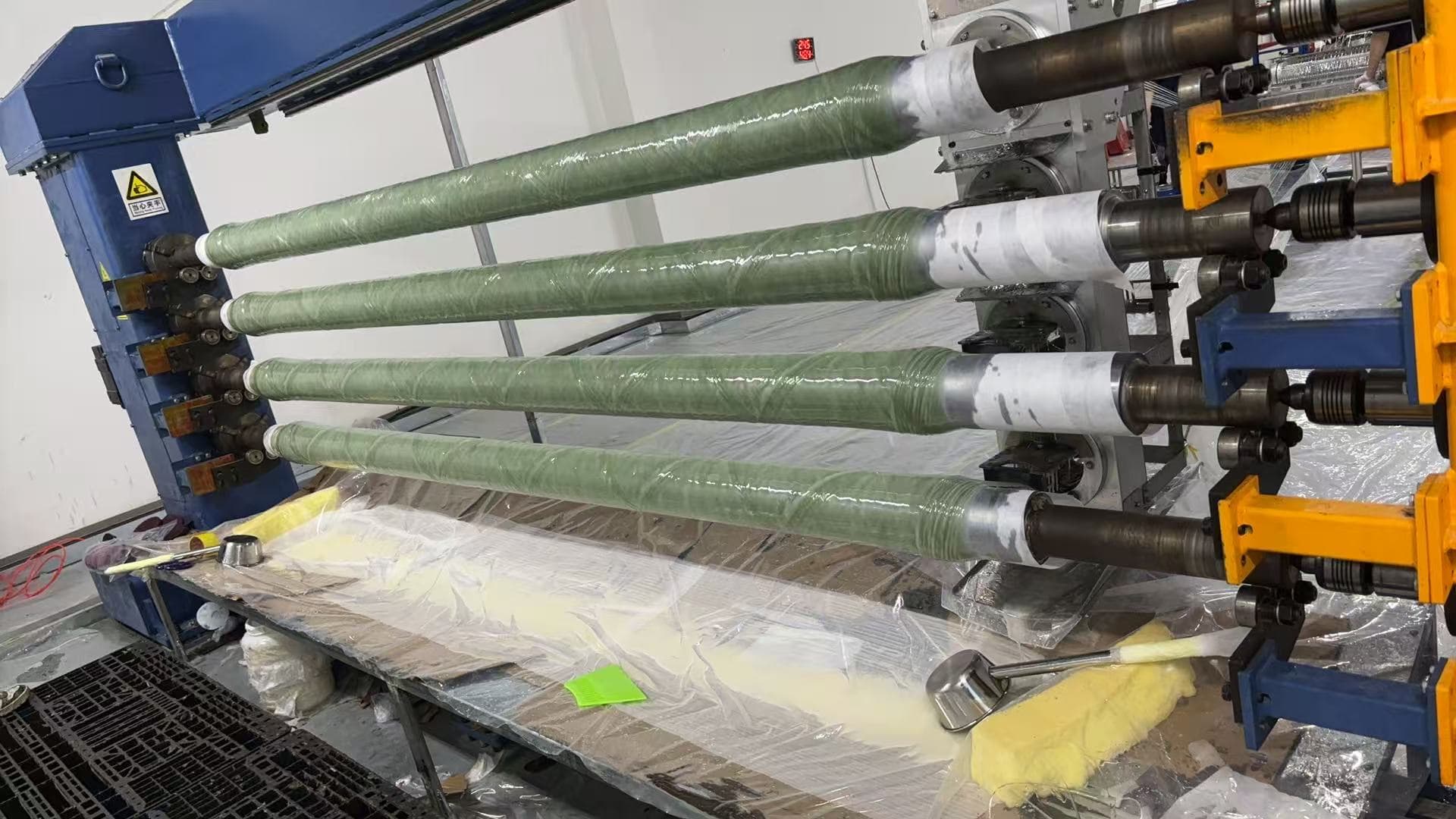
A concise process view for buyers evaluating made-to-drawing epoxy fiberglass insulation tube production.
Step 1
Glass fiber and epoxy material preparation supports the tube structure before winding.
Step 2
Controlled fiber placement forms the composite tube body around product requirements.
Step 3
Thermal curing is part of the production flow before demolding and further processing.
Step 4
Tube ends, bores, holes, slots, and interface features can be processed according to drawings.
Step 5
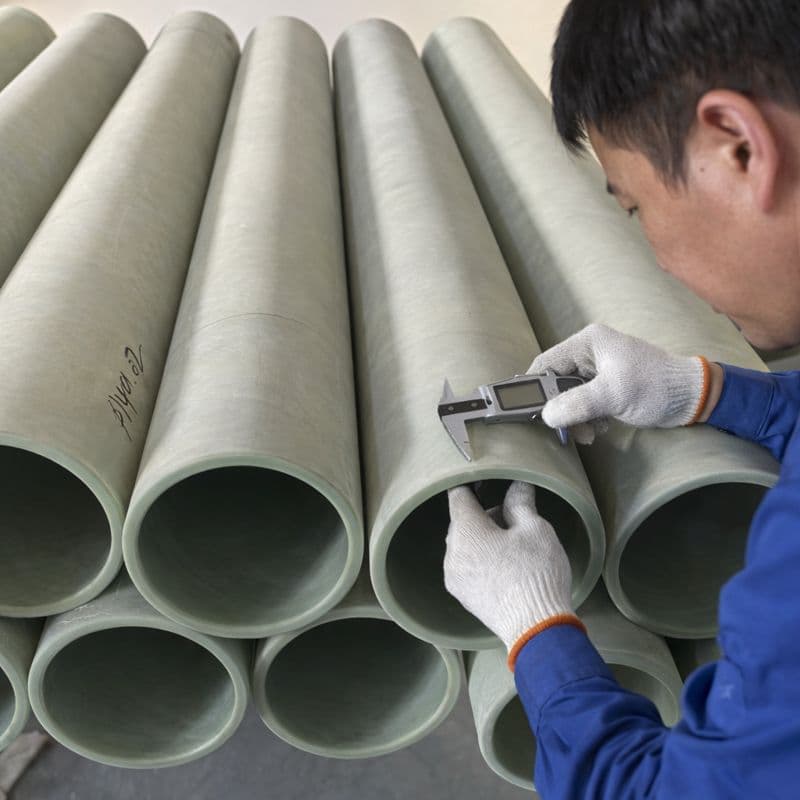
Visual checks, dimensional inspection, and agreed testing requirements support release decisions.
Step 6
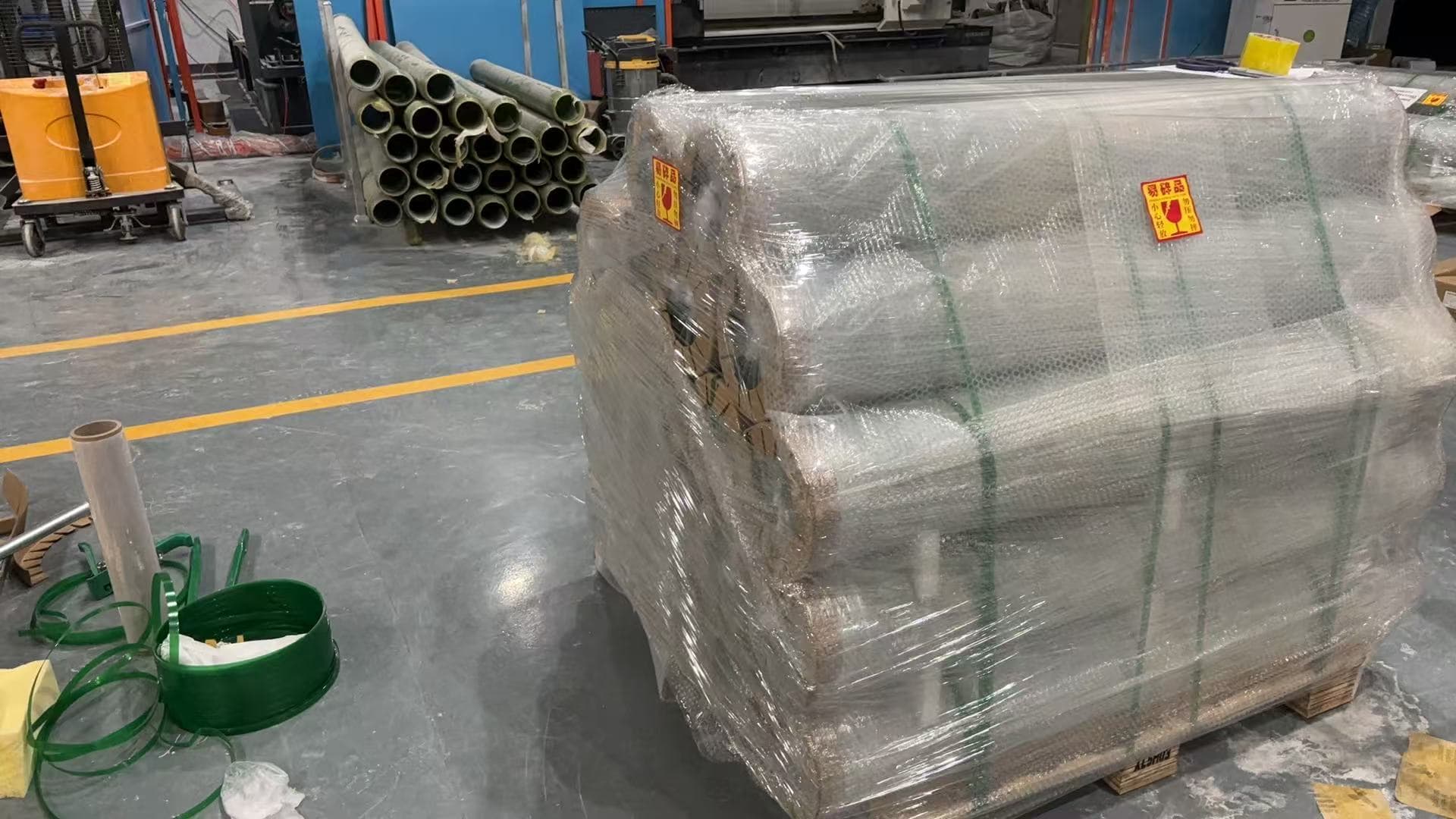
Protected packing helps prepare approved products for shipment.
Filament winding is the core manufacturing process used to form the composite tube body.
The process combines continuous glass fiber reinforcement and an epoxy resin matrix to create an engineered insulation tube structure.
Manufacturing communication is kept around a consistent application-led approach: requirement review, tube structure, winding, curing, machining, inspection, and protected packing.
Final product details depend on the approved drawing, material system, size, wall thickness, and agreed inspection requirements.
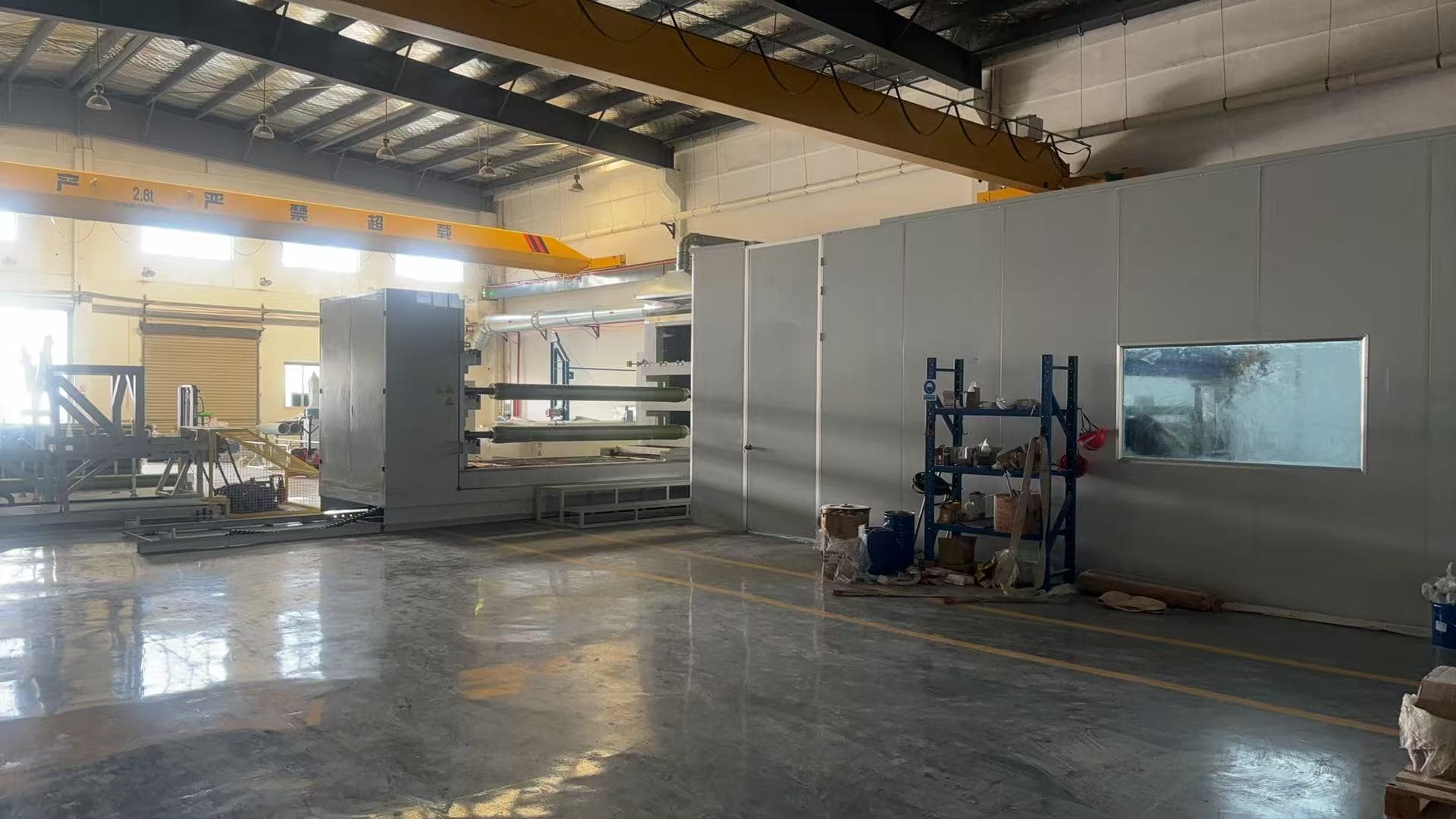
Products can be processed according to drawings and requirements after manufacturing review.
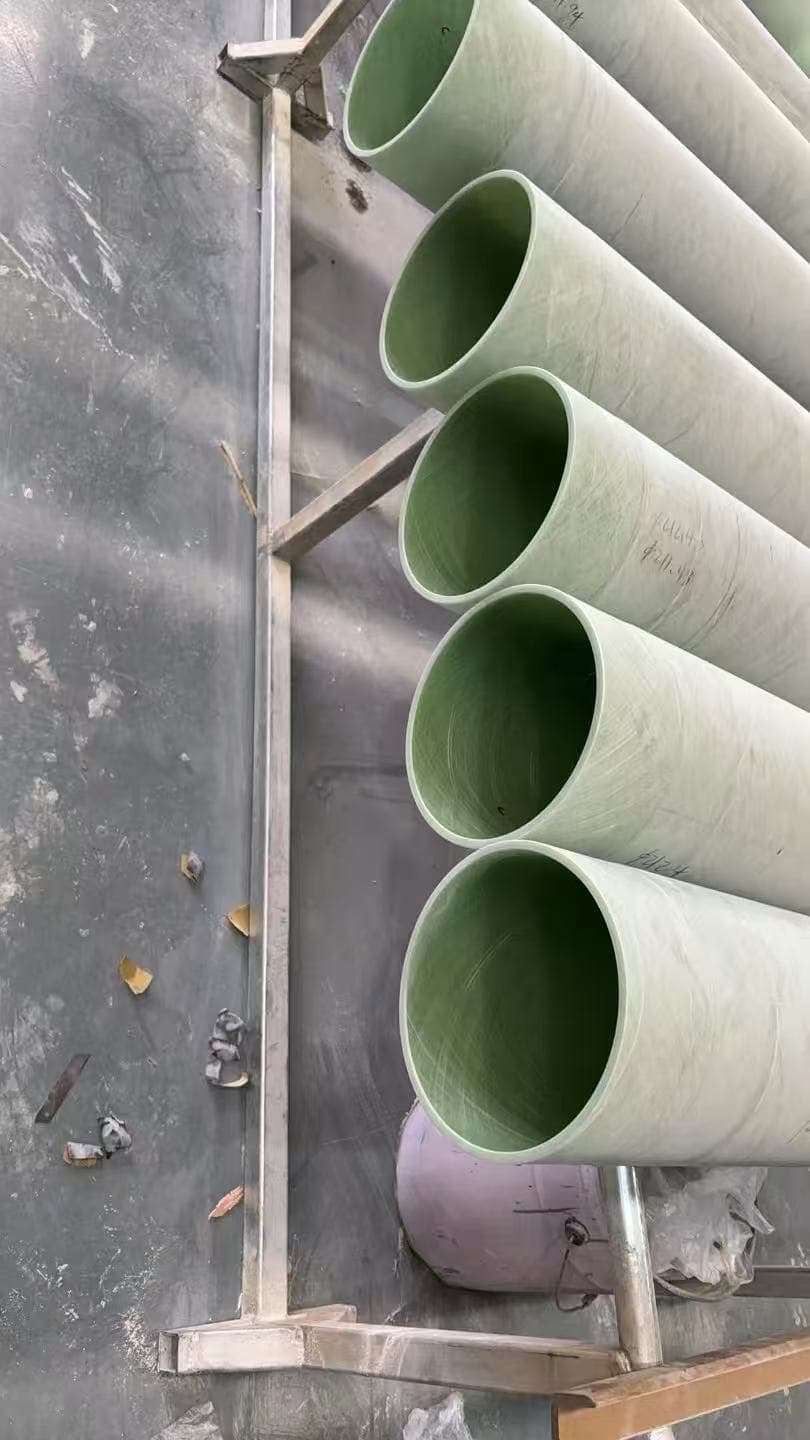
Quality communication is tied to process checks, dimensions, agreed inspection requirements, and packing release.
Selected manufacturing visuals support process understanding without implying factory scale or output.
Send your specification for evaluation, including dimensions, application equipment, machining needs, inspection requirements, and expected quantity.